

The DNS is a popular pre-sea course in India among students who wish to make a career in Merchant Navy, particularly as deck officers. It is a unique type of course consisting of theoretical learning, shipboard training and industry oriented skills that enables a candidate to deal with high complexity of shipping and maritime industry. The contract has been DGS approved along with the usual IMU affiliation and the DNS course leads to a straightforward route to becoming a qualified deck officer on international merchant ships.
What Is a Diploma in Nautical Science?
The Diploma in Nautical Science (DNS) is a professional pre-sea training course that is conducted by many Indian Maritime University (IMU) affiliated institutes. Navigation, ship stability, seamanship, meteorology, marine communication, cargo fixing, maritime law and security protocols all form the part of the syllabus and is important for deck officers. They can also pursue the Second Mate/Officer Certificate of Competency (CoC) on completion of the pre sea course and mandatory 18 months of structured ship board training and work as Deck Officer on merchant ships across the world.
Key Features of Diploma in Nautical Science
Offered as: One year course + 18 months shipboard training
Approvals: DGS, Govt. of India (Compulsory), IMU in majority of cases
Objective: The cadets are trained to be Deck Officers
Result: DNS certificate → eligibility for Second Mate CoC exam
After training: B.Sc (Nautical Science) or B.Sc (Applied Nautical Science) in certain streams
Eligibility Criteria for Diploma in Nautical Science
To be admitted to a DNS program, the applicant must meet minimum academic, physical, and medical requirements.
Academic Requirements
A candidate should have:
- Qualifications Applicability of qualifications 10+2 pass with Physics, Chemistry and Mathematics (PCM) from any recognised board.
- 60% aggregate in PCM in class 12th (institute-wise variation).
- At least 50% marks in English in either Class X or XII.
- B.Sc (Physics/Maths/Chemistry/Electronics) or B.E/B.Tech graduates with the minimum marks required can also apply.
Age & Medical Criteria
Age: Normally 17 years to 25 years (there is some relaxation for certain reserved categories).
Medical Fitness: A medical certificate approved by the DG Shipping, including 6/6 vision and no colour blindness.
Diploma in Nautical Science Course Duration & Structure
The DNS programme is structured into two phases:
1. Pre-Sea Training (12 Months)
Subjects are taught in the classroom and hands-on lab, such as:
Semester | Major Topics Covered |
Semester I | Navigation & Chartwork, Ship Construction, Applied Mathematics, Meteorology |
Semester II | Cargo Handling, Maritime Law & ISM Code, Marine Communication, Maritime Safety |
Note: The exact syllabus of each institute may differ but is as per the guidelines of the DG Shipping and the STCW.
2. Structured Shipboard Training (18 Months)
On completion of pre-sea training, the Deck Cadets join a ship as Deck Cadets to undergo Practical training:
- Navigation watchkeeping
- Cargo operations
- Ship safety routines
- Emergency operations
- Bridge procedures
Following shipboard training and additional preparatory courses, cadets are able to take the Second Mate CoC examination, which is necessary to work as an officer onboard.
Why Choose Diploma in Nautical Science?
The programme of the DNS gives the student an accelerated access to the field of merchant marine. Here’s to what it owes its popularity:
Career Prospects:
Following the successful completion of the DNS and the requisite sea service, a candidate can be appointed as:
- Deck Cadet (Trainee Navigating Officer)
- Third Officer (Watchkeeping Officer)
- Second Officer
- Chief Officer
- Master/Captain (with experience + exams)
Career progression is experience based and seagoing performance based as well as competency exams.
Skills Developed
DNS develops:
- Navigation proficiency
- Leadership & teamwork skills
- Handling of maritime security and emergencies
- Communication & understanding of maritime law
- Seamanship & Ship Operations Knowledge
Diploma in Nautical Science Course Fees (Approximate Range)
Institute Type | Approx. Tuition Fee (INR) |
Top Marit ime Institutes | 6,00,000 – 8,00,000 |
Private & Regional Maritime Institutes | 4,00,000 – 6,00,000 |
Government/University-Affiliated (IMU) | 2,50,000 – 4,00,000 |
The fees may vary according to the institution and facilities offered, etc, and other incidental charges may be applicable like those for boarding, use of lab, or holding examinations, if required.
Career & Salary After Diploma in Nautical Science
After completing DNS and earning sea time, you can expect to make the following approximate ranges (based on company, ship, and experience):
Rank | Approx. Salary per Month (USD) |
Deck Cadet | $300 – $800 |
Third Officer | $2,000 – $3,000 |
Second Officer | $3,000 – $4,500 |
Chief Officer | $5,000 – $7,000 |
Captain | $8,000 – $15,000+ |
Top 5 Diploma in Nautical Science Colleges in India
Here are top list of some of the best recognized universities providing Diploma in Nautical science courses:
1. Anglo Eastern Maritime Academy (AEMA), Karjat, Maharashtra
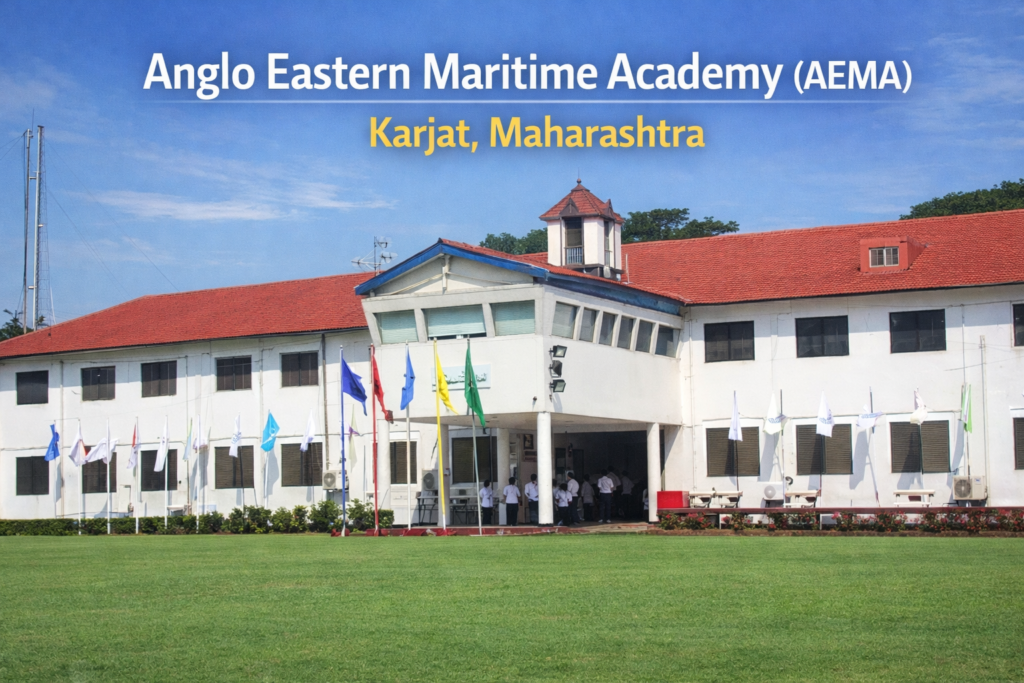
AEMA is one of the topmost IMU affiliated DG shipping approved DNS training institutes in India. It is a member of the Anglo-Eastern Group, a worldwide shipping company, and delivers pre-sea and shipboard training.
Why Choose AEMA?
- Full Sponsorship 100% sponsorship is generally provided by the Anglo-Eastern merchant fleet.
- Robust infrastructure and experienced faculty.
- Good placement and ship training is also excellent.
2. Tolani Maritime Institute (TMI), Pune, Maharashtra
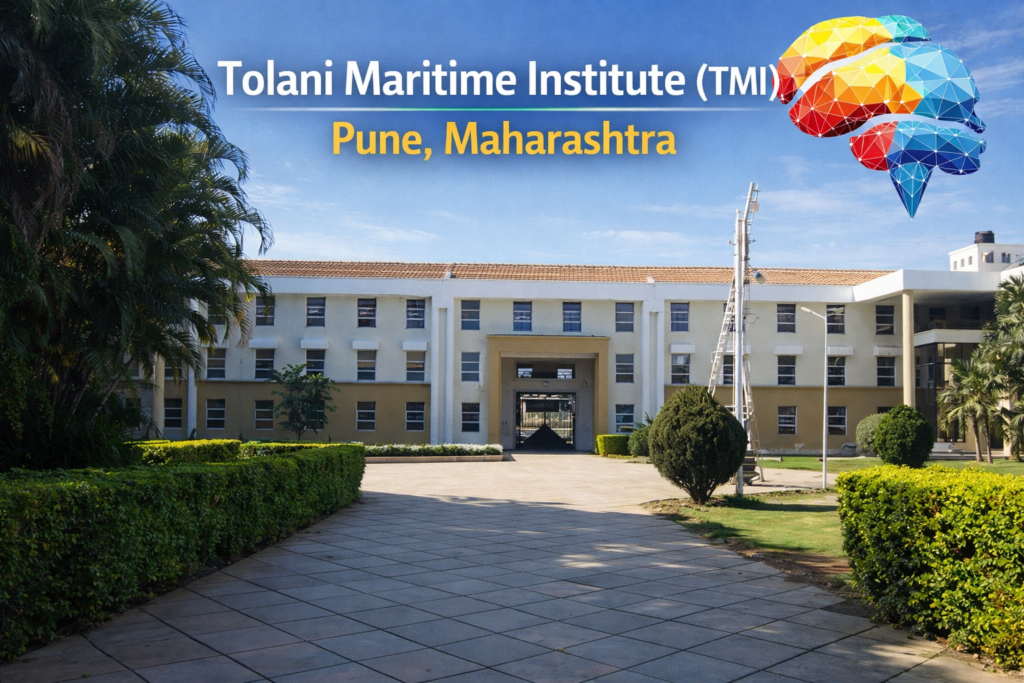
TMI is a globally recognized maritime institute under Indian Maritime University and is approved by Directorate General of Shipping. It offers DNS and other marine programmes.
Key Highlights:
- Rigorous academic and practical training program.
- Good campus facilities and industry exposure.
- Sponsorship opportunities with many leading shipping companies.
3. Samundra Institute of Maritime Studies (SIMS), Pune & Mumbai
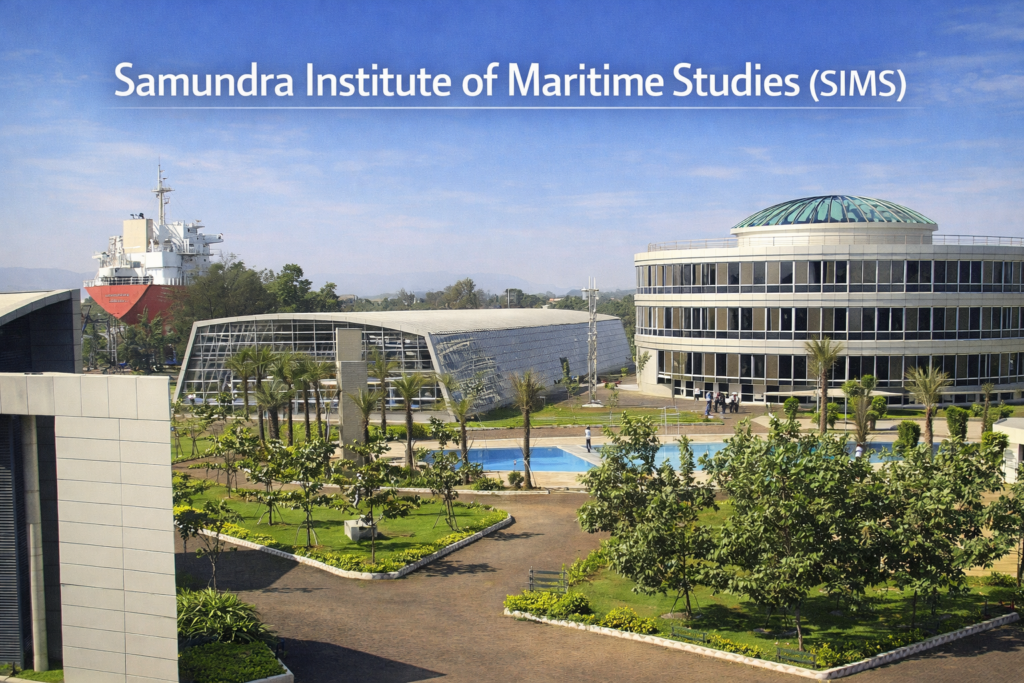
SIMS boasts of world-class infrastructure, including simulators and training ships and emphasis on the nautical as well as engineering education.
Benefits:
- Modern training facilities and simulation centres.
- Sponsored DNS programs in conjunction with shipping companies.
- Posh accommodation and placement assistance.
4. International Maritime Institute (IMI), Greater Noida, Uttar Pradesh
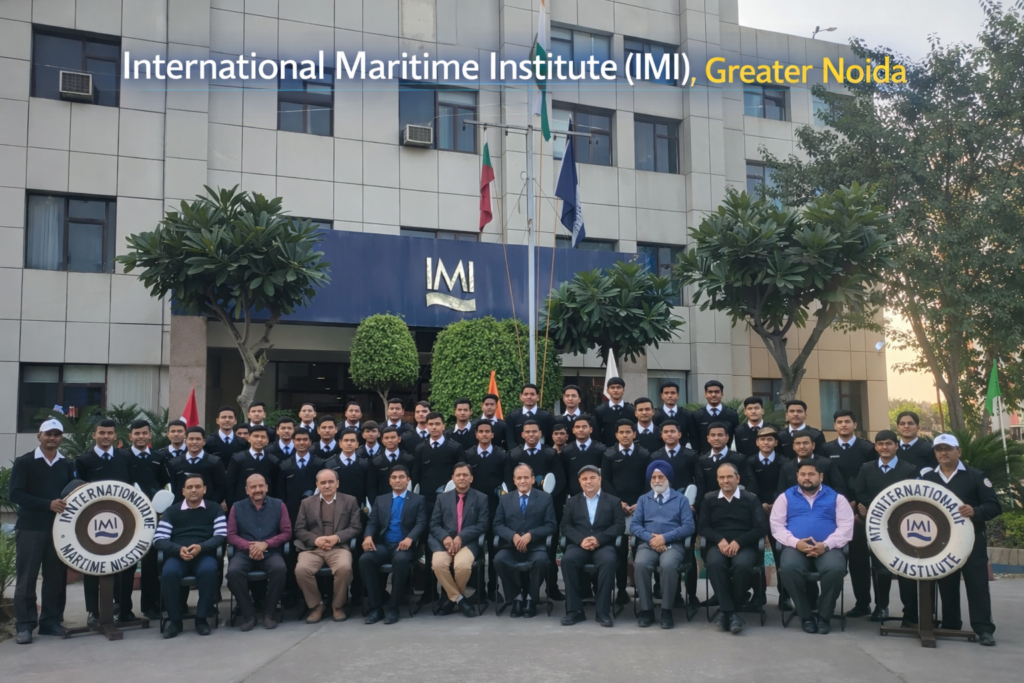
IMI has a robust industry interface and regular sponsor ties, enabling it to offer its Diploma in Nautical Science students to serve in deck departments , worldwide on ships.
Features:
- Excellent faculty support and placement assistance.
- Industry Linkage with Shipping Companies for Shipboard Training.
- Indian Maritime University affiliated and DG Shipping Approved
5. Indian Maritime University (IMU) – Various Campuses
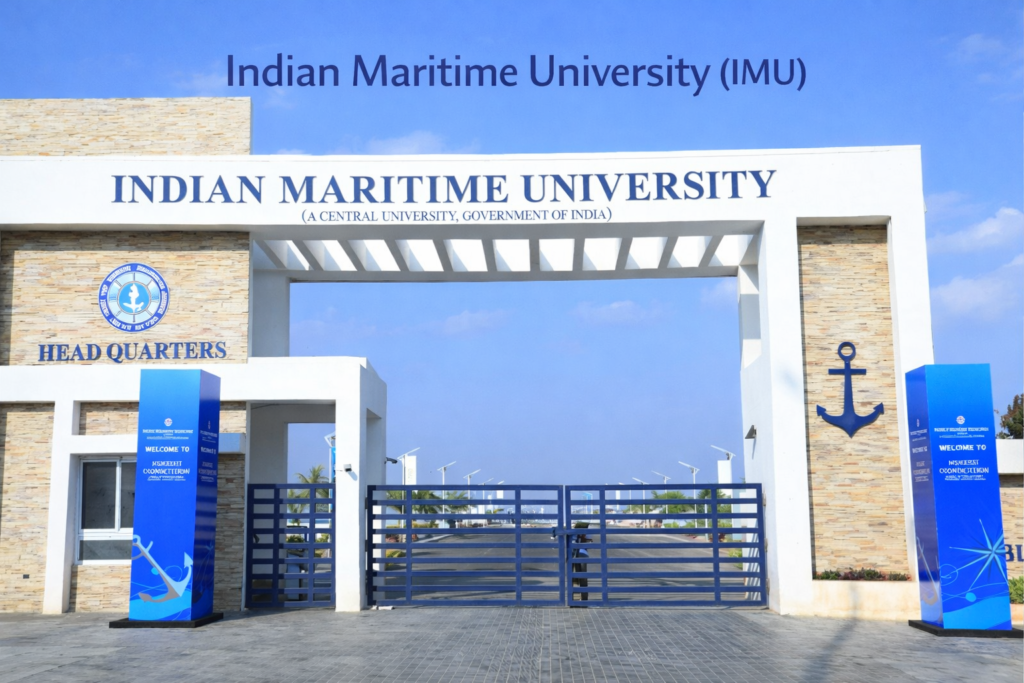
IMU campuses including IMU Navi Mumbai provide full-time bsc dns programmes or affiliated courses with a structured delivery of academics along with recognised qualifications.
Why It’s Notable:
- Component of India’s maritime educational central.
- Prescribed curriculum based on global standards of maritime.
- Route to additional studies in maritime and career advancement.
How To Get Admission in Diploma in Nautical Science
Appear for IMU CET
The Indian Maritime University Common Entrance Test (IMU CET) is the basis on which many DNS institutes allot seats to the candidates through a merit list.
Apply for Sponsorship
Many institutes require candidates to obtain sponsorship from a shipping company — sponsorship indicates that the company is willing to put the candidate through pre-sea training and then take the candidate onboard his vessels.
Medical Evaluation
Candidates are required to have a DG Shipping approved Medical examination to ensure that they are fit for sea service.
Final Selection & Admission
Candidates are selected on the basis of merit, sponsor, and medical fitness.
Read More : B Tech Marine Engineering Colleges in India: Complete Guide for Aspiring Marine Engineers
DNS vs B.Sc Nautical Science
Both pathways from which you can become a DECK officer, but which are:
Diploma in Nautical Science (DNS)
Duration: 18 months shipboard + 1 year pre-sea
Focus: Fast-track route, perfect if you already have a sponsor
Output: diploma + route to the CoC
Ideal for: Students who want to get a career started early
B.Sc Nautical Science
Duration: Shipboard + 3 years academic
Focus: More “typical” university study with maritime theory
Degree: full bachelor’s degree
Ideal for: Those who want a degree to get them off the ship first before they commit to shipboard!
Conclusion
A DNS is the most practical route to becoming a deck officer in the fast paced world of the Merchant Navy. With an equal blend of academy learning and on-the-job training at sea, DNS prepare young dreamers to become deck officers in the international maritime industry. The DG Shipping certified and Indian Maritime University structured syllabus of DNS allows a candidate to gradually climb the ranks from cadet to captaincy which makes it a powerful option for seafarers across the globe.


Pingback: What Is a DNS Course in the Merchant Navy? Complete Guide